
Delta Force Demolition Mode: Advanced Bomb-Planting Tactics & Loadout Guide
If you're losing demolition rounds despite good aim, the problem usually isn't your gunskill — it's your execute timing and loadout setup. This guide breaks down how top Delta Force attackers plant bombs, bait enemy rotations, and detonate at the moment that does the most damage to enemy morale and map control.
Why Site Executes Fail Even With Good Shooting
Most players lose demolition rounds not from bad aim, but from predictable execute patterns. If your entry, plant position, and detonation window are always the same, defenders adapt within two or three rounds. The fix is variety: in loadout, in approach path, and in the fake-outs you run before the real push.
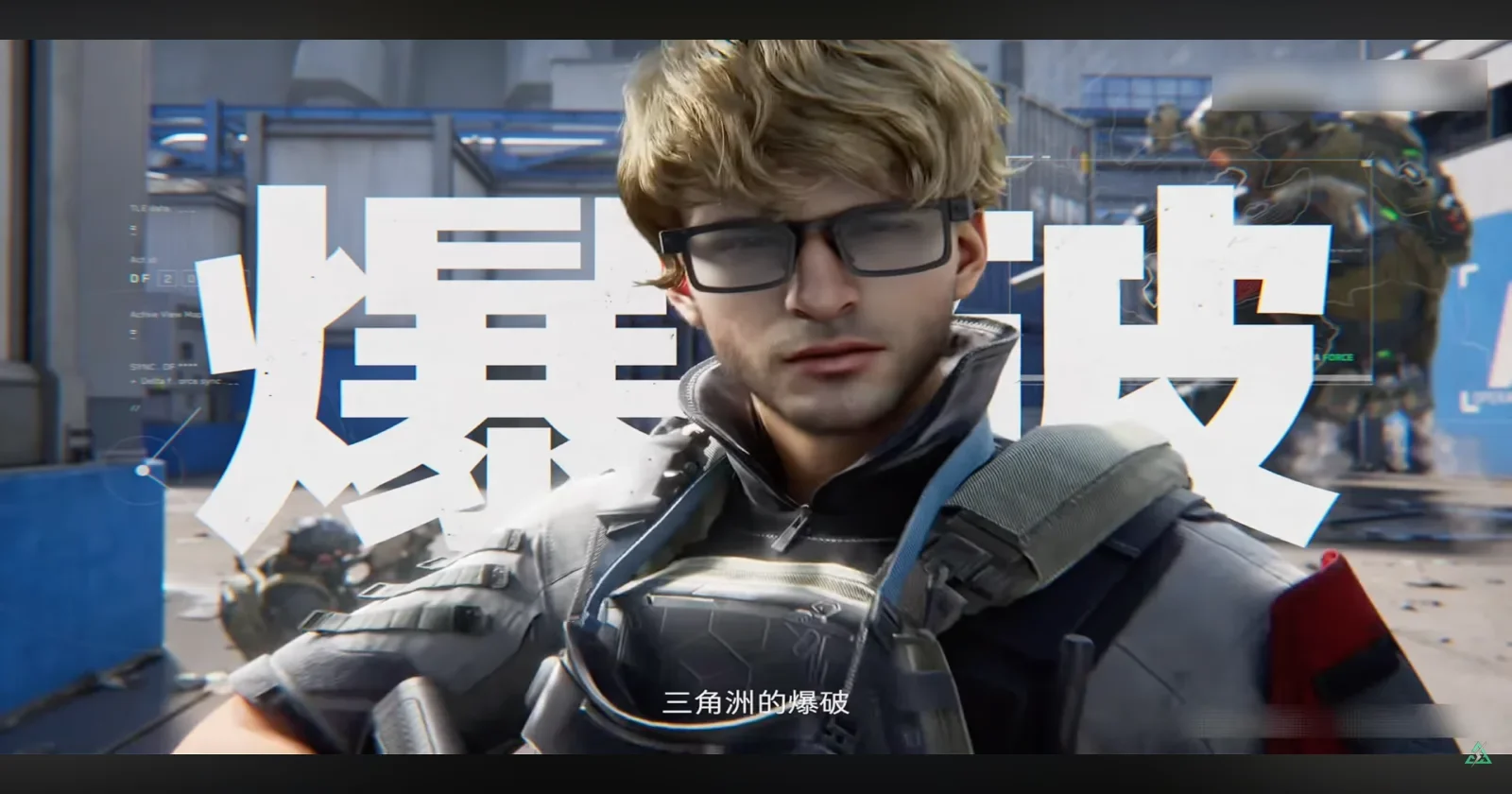
How Your Opening Duel Affects the Plant
The first engagement of an execute — your entry duel or trade — sets up everything that follows. Where you plant and how much support gear you're carrying both change based on how that first fight goes.
Winning the entry duel cleanly gives you room to plant in an exposed, aggressive spot for maximum site control.
Winning it messily (low HP, used utility) means you should plant tighter to cover, prioritizing survivability over an ideal detonation angle.
Losing the duel but trading it still often earns your team a window — use it for a fast, low-effort plant rather than a slow ideal one.
Plan your entry route and cover positions before the round starts, not after you're already pushing.
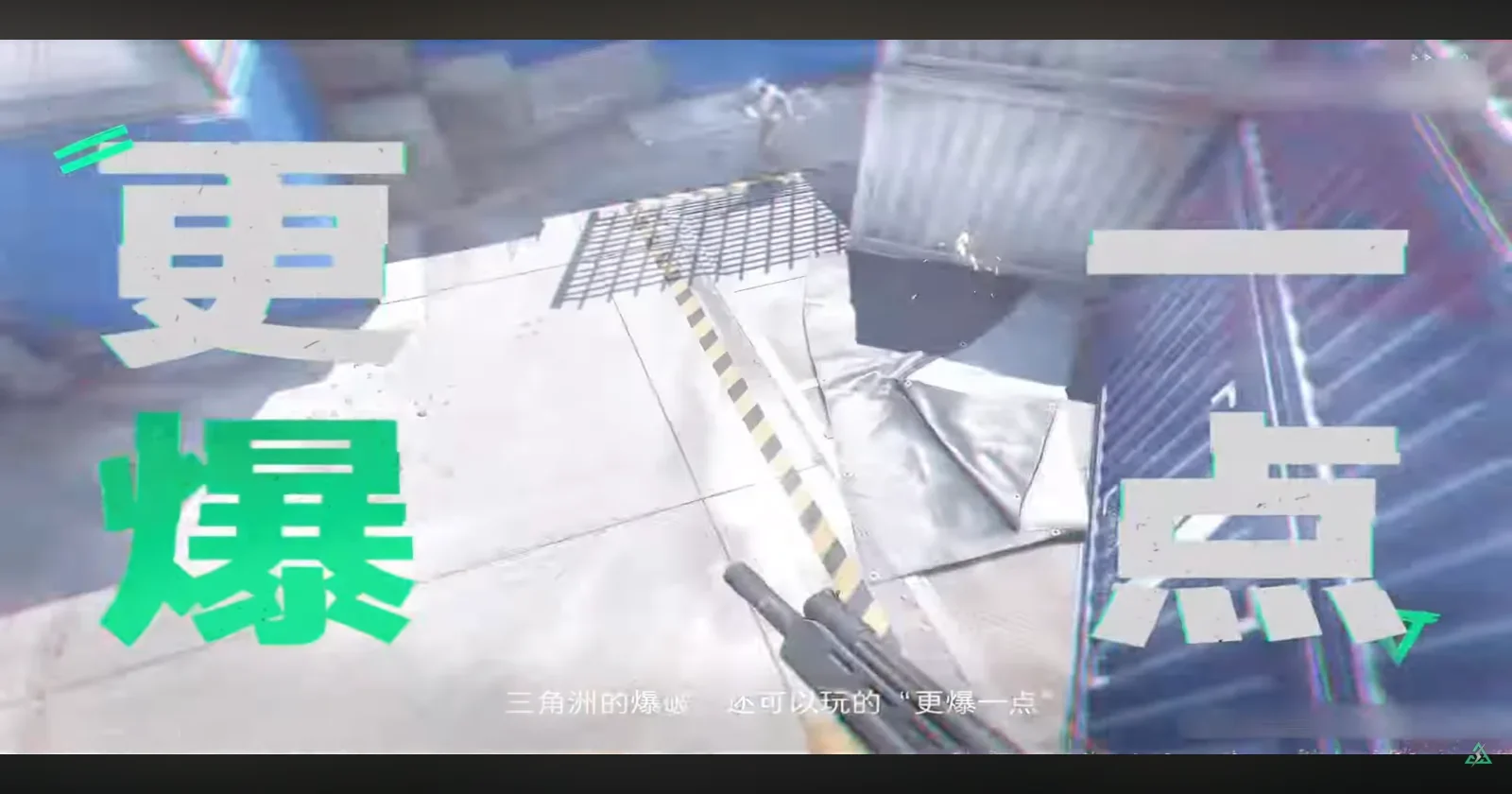
Loadout Customization: Build for the Plan, Not Habit
There's no single "correct" attachment build in Delta Force — the right loadout depends on the execute you're running that round. Treat your loadout as a tool that changes with your tactic, not a fixed setup you never touch.
Extended mags or higher-capacity ammo — better for prolonged post-plant holds where you expect a long retake fight.
Suppressors — valuable when your plan depends on delaying enemy rotation, since gunfire location stays hidden longer.
Utility-heavy loadouts (extra flashes/frags) — support decoy-based executes where you need multiple distraction points.
Faster ADS/mobility attachments — suited to speed executes where you're planting before defenders can rotate at all.
Switching your build round-to-round based on the read you have on the enemy defense is more effective than running the same "meta" setup every game.
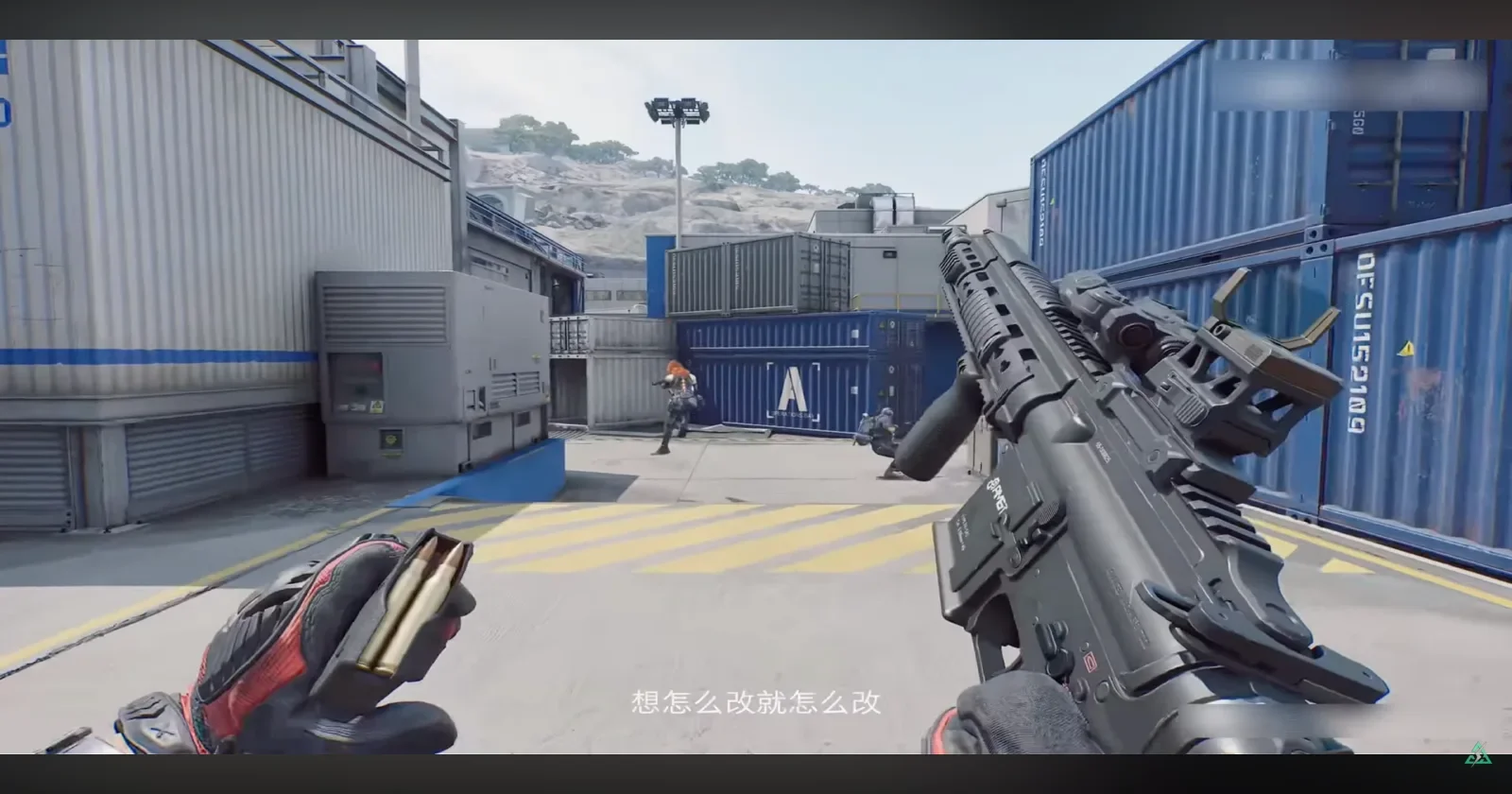
Decoy and Misdirection Tactics
A fake execute is often more valuable than the real one — misdirection tactics pull defenders away from your actual plant site before you commit. Delta Force rewards attackers who manufacture false information for the enemy team, not just those with the fastest reflexes.
Common misdirection methods include:
Fake plants — going through plant animation motions or bait sounds at a site you don't intend to hold, forcing rotations.
False gunfire — firing into open space or off-angles to sound like a push that isn't happening.
Distraction throwables — using utility at a secondary site purely to draw eyes and rotations, not to deal damage.
Run the decoy first, wait for the rotation to actually commit, and only then execute your real plant. A decoy that isn't given time to work is wasted utility.
Timing the Detonation for Maximum Effect
The detonation timer itself is a tactical tool, not just a countdown — planting during a defender's blind spot (mid-rotation, reloading, or repositioning) creates far more chaos than planting the instant you reach the site. Watch for these windows:
Rotation gaps — the seconds after a defender commits to rotating but hasn't reached the new site yet.
Reload windows — immediately after a defender fires a full mag and is forced to reload.
Post-utility recovery — right after a flash or smoke forces a defender to reposition blind.
Planting in one of these windows buys extra seconds before any real contest begins, which is often the difference between a clean plant and a contested one.

Building Multiple Detonation and Disruption Plans
Relying on one execute pattern makes you predictable. Strong attacking teams prepare several different plant-and-disruption plans and choose between them based on what the round shows them, rather than running the same play every time.
Useful variations to have ready:
Layered utility — staggering smokes, flashes, and frags across several seconds instead of throwing them all at once, so defenders can't process everything simultaneously.
Delayed engagement plants — planting quietly, retreating slightly, and only fighting once defenders commit to a retake angle.
Split-site pressure — applying pressure at two sites in the same round so defenders can never fully commit to one.
Action Plan: What to Practice This Week
Audit your current loadout — list which attachments you have available and match them against the four build types above (hold, delay, utility, speed).
Design three distinct execute plans for your main map pool, each with a different decoy and detonation window, so you're never repeating the same read.
Write a simple timing checklist — rotation gaps, reload sounds, post-utility windows — and reference it during scrims or ranked play.
Drill loadout switches in custom games — rehearse each build and tactic combination until swapping between them feels automatic, and track which setups actually won rounds.
FAQ
What's the best loadout for Delta Force demolition mode? There isn't one universal build. Match your attachments to your round plan — extended mags for holds, suppressors for stealth delays, extra utility for decoy-based executes, and mobility gear for fast plants.
How do you bait enemies in Delta Force bomb mode? Use fake plants, false gunfire, and distraction throwables at a secondary site before committing to your real plant, forcing defenders to rotate away from where you actually intend to detonate.
When is the best time to plant the bomb? Plant during a defender's blind spot — right after they commit to a rotation, mid-reload, or immediately after using utility that forces them to reposition. These windows buy extra uncontested seconds.
Do attachments actually change bomb-plant strategy? Yes. Suppressors delay enemy information, extended mags support long post-plant holds, and mobility attachments enable faster executes — the right choice depends on the specific play you're running.